Important: This article is general information, not legal or insurance advice. Coverage depends on your specific policy, the facts of the loss, your insurer, and applicable law. Always read your policy and talk to your insurer or a licensed insurance professional.
Key takeaways
- There is no universal yes-or-no answer. It depends on the policy and the facts.
- Insurers commonly distinguish between the pipe itself, the cost of accessing it, and the damage the water caused.
- Sudden and accidental losses are treated differently from gradual leaks and wear and tear.
- Prompt reporting, photos, and receipts help any claim.
"Will insurance cover this?" is often the second question people ask after "Do I have a slab leak?" Unfortunately, the honest answer is: it depends. Policies differ in their wording, insurers interpret facts differently, and the circumstances of each leak matter. What we can do is explain the distinctions that commonly come up so you know what to look for in your policy and what to ask.
Three separate parts of a slab leak loss
It helps to think of a slab leak as three different things, which a policy may treat differently:
| Part of the loss | What it includes | How policies may treat it |
|---|---|---|
| The plumbing itself | The failed pipe or fitting | Many policies do not pay to repair the part that failed due to wear, corrosion, or deterioration |
| Access ("tear out") | Opening the slab or flooring to reach the pipe, then restoring it | Some policies include coverage to access a covered loss; others limit or exclude it |
| Resulting water damage | Damaged flooring, baseboards, cabinets, drywall, belongings | Often the part most likely to be considered, subject to policy terms and exclusions |
This is a general pattern, not a statement about any particular policy.
Sudden and accidental vs. gradual
Many homeowners policies cover water damage that is sudden and accidental, while excluding damage that develops over time or results from lack of maintenance. The Insurance Information Institute notes that a standard HO-3 homeowners policy covers "accidental discharge or overflow of water or steam from within a plumbing, heating, air conditioning" system, and also that standard policies do not cover damage caused by routine wear and tear or poor maintenance.
Slab leaks can be tricky here. A pinhole leak might start small and run unnoticed for weeks or months before symptoms appear. How an insurer views that depends on the policy language and the facts — including evidence about when the leak began and how quickly it was addressed once noticed.
Common exclusions to look for
The California Department of Insurance lists earthquake, flood, earth movement, and "wear and tear" among the perils usually excluded from homeowners policies, and urges consumers to read their policy's exclusions closely. When reviewing your policy for slab leak issues, look for language about:
- Wear and tear, deterioration, corrosion, or rust
- Continuous or repeated seepage or leakage over a period of time
- Mold, fungus, or rot (often limited or excluded)
- Earth movement or settling
- Foundation, slab, or "tear out" provisions
- Any water damage endorsements you may have purchased
Maintenance obligations
Policies generally expect homeowners to maintain their property and to act reasonably to prevent further damage. The Insurance Information Institute notes that "most maintenance related problems are the homeowners' responsibility." Ignoring obvious warning signs for a long time can complicate a claim. Acting promptly — and keeping a record of when you noticed symptoms and what you did — is in your interest.
How to document a suspected slab leak
The California Department of Insurance's Residential Property Claims Guide recommends several steps after a loss. In the context of a slab leak, that means:
- Report the damage promptly to your insurer or agent.
- Photograph the damage — wide shots and close-ups, with dates.
- Make reasonable temporary repairs to prevent further damage, such as shutting off water or drying materials, and keep receipts.
- Hold off on extensive permanent repairs until the adjuster has inspected, unless your insurer agrees otherwise.
- Keep damaged items until the adjuster tells you they can be discarded.
- Log every call and letter, and keep copies of everything you send and receive.
Other helpful records include water bills showing the change in usage, notes on when you first noticed symptoms, and written findings from a leak detection assessment describing which line was leaking and where.
Questions to ask your insurer or agent
- Does my policy cover water damage from a leak beneath the slab?
- Does it cover the cost to locate the leak or to access the pipe (tear out)?
- Are there limits for mold or for continuous seepage?
- What is my deductible for this type of loss?
- What documentation do you need, and should I wait for an adjuster before repairs?
If you disagree with a claim decision
Ask the insurer to explain the decision in writing and to point to the policy language it relied on. California consumers can contact the Department of Insurance's Consumer Hotline at 1-800-927-4357; the Department notes it can help with issues such as improper claim denials and delays in settlement. For complex disputes, you may wish to consult a licensed attorney.
How leak detection fits in
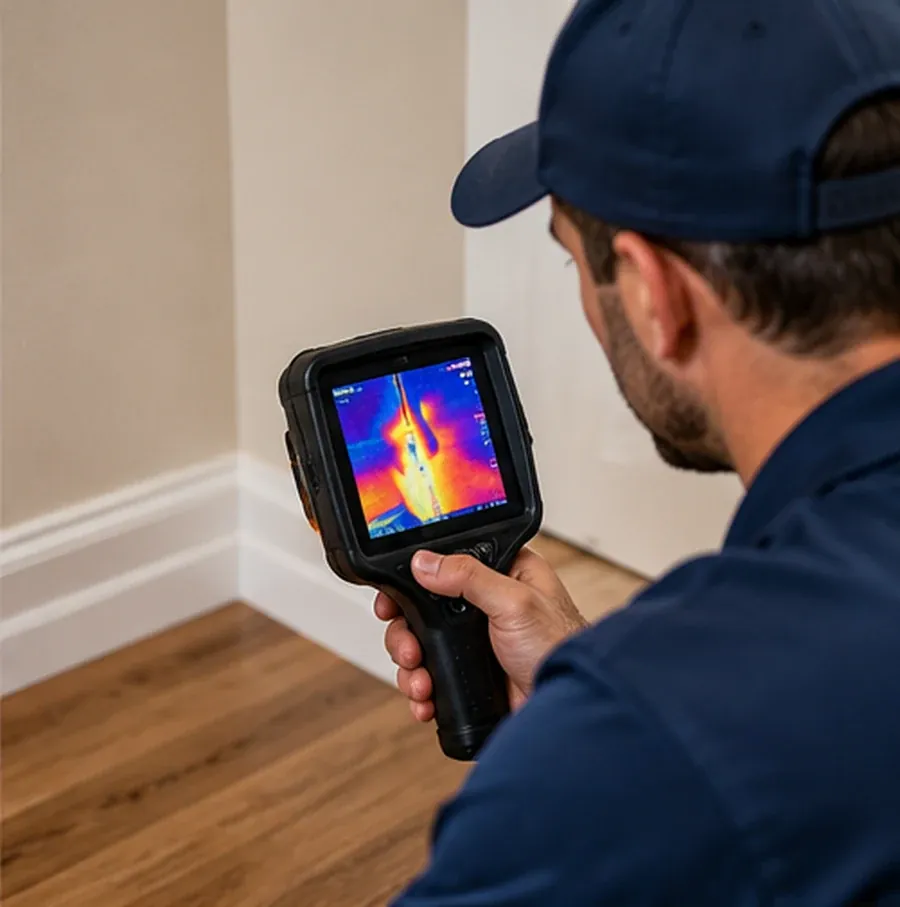
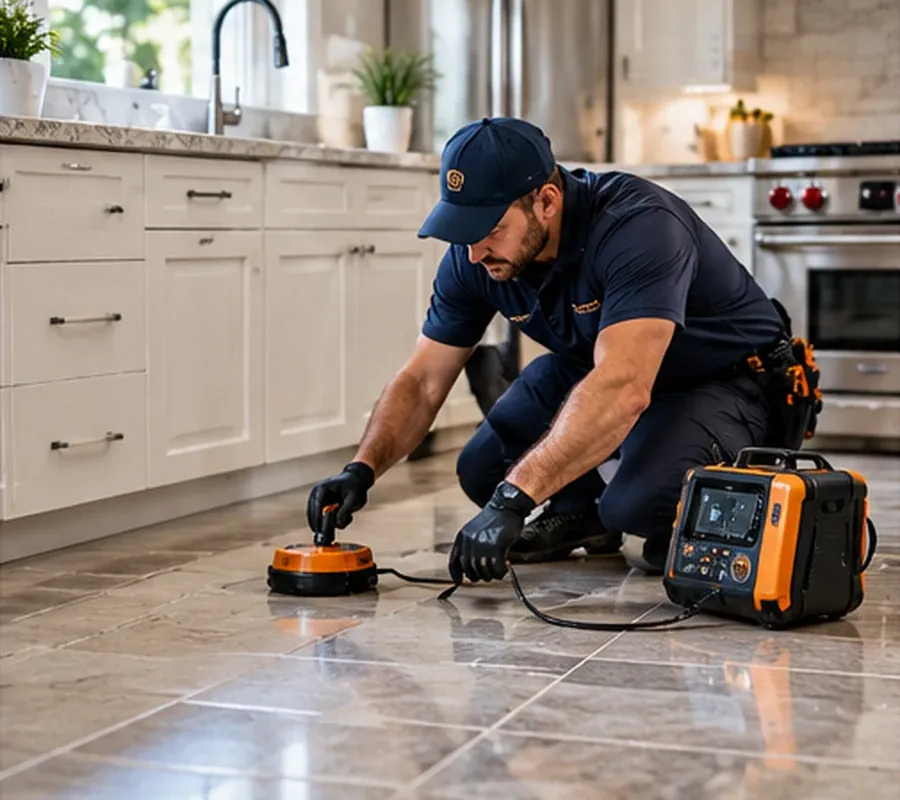
We cannot tell you whether your loss will be covered — that is between you and your insurer. What a professional slab leak detection visit can provide is a clear, documented explanation of what was found: which line is leaking, where the leak is most likely located, and how that conclusion was reached. That information is useful for conversations with your insurer and for planning repairs.
The bottom line
Whether homeowners insurance covers a slab leak depends on your policy wording, the facts, and the insurer's evaluation. Understand the difference between the pipe, access costs, and resulting damage; read your exclusions; act promptly; and document everything. For immediate steps, see what to do if you suspect a slab leak.
Concerned about a possible slab leak in Whittier? Call Precision Slab Leak Detection at (562) 358-3136 to talk through what you are noticing and how an assessment would work for your property.
Frequently Asked Questions
Some policies include coverage for the cost of accessing or locating the source of a covered water loss, and some do not. Check your policy wording or ask your agent before scheduling, and keep receipts for any detection work.
It depends on the facts and the policy. Insurers may look at how long the leak was likely running and whether the damage was sudden or developed over time. That is why prompt action and good documentation matter.
The California Department of Insurance advises making temporary repairs to prevent further damage but holding off on extensive permanent repairs until the adjuster has inspected. Talk with your insurer about timing, and keep receipts and photos.
No. We are not insurance professionals and cannot interpret your policy or predict a claim decision. What we can do is locate the leak and explain our findings clearly, which you can share with your insurer.
California homeowners can contact the California Department of Insurance consumer hotline at 1-800-927-4357 for help with claim issues such as delays or denials.
Sources
- Insurance Information Institute. Homeowners Insurance Basics.
- California Department of Insurance. Residential Insurance: Homeowners and Renters (September 2023).
- California Department of Insurance. Residential Property Claims Guide.
This article is general educational information, not a diagnosis of any specific property or professional plumbing, legal, insurance, or health advice. Conditions vary; consult qualified professionals for your situation.